20 May 2026 ● Matt Farrah
Pharmacy Technician Career Guide: How to Become a Pharmacy Technician in Ireland
Pharmacy Technicians play a vital role in supporting pharmacists, preparing medicines safely and helping patients access the treatments they need. Working across hospitals, community pharmacies and specialist healthcare settings, they combine scientific knowledge with patient-focused care to keep healthcare services running efficiently.
This guide is designed for students exploring healthcare careers, professionals considering a career change, and international applicants interested in working as a Pharmacy Technician in Ireland.
Jobs for Pharmacy Technicians
Discover Pharmacy Technician roles nationwide with public and private sector healthcare providers on our Pharmacy Technician jobs page.
We aim to list more jobs than any other job board, alongside detailed information about each advertiser, so you can find the best job and employer match.
What Is a Pharmacy Technician?
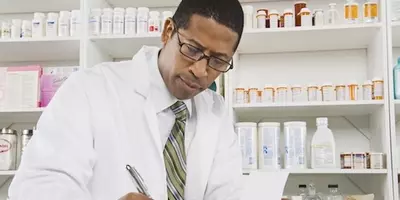
A Pharmacy Technician is a trained healthcare professional who supports pharmacists in preparing, dispensing and managing medications safely and accurately. They work closely with patients, doctors, nurses and multidisciplinary healthcare teams to ensure medicines are supplied correctly and treatment plans are followed effectively.
In Ireland, Pharmacy Technicians can work in a variety of environments including acute hospitals, community pharmacies, GP-linked services, specialist clinics and private healthcare organisations. Their responsibilities often combine technical pharmaceutical knowledge with patient communication and administrative accuracy.
Pharmacy Technicians contribute significantly to patient safety by helping reduce medication errors, monitoring stock management and supporting efficient pharmacy operations. As healthcare services continue to grow and medication management becomes more complex, demand for skilled Pharmacy Technicians is increasing across both public and private sectors.
Common job titles include:
- Pharmacy Technician
- Hospital Pharmacy Technician
- Community Pharmacy Technician
- Senior Pharmacy Technician
- Medicines Management Technician
- Pharmacy Support Technician
The role appeals to people who enjoy healthcare, organisation, teamwork and making a practical difference to patient outcomes every day.
What Does a Pharmacy Technician Do Day to Day?
A Pharmacy Technician’s responsibilities can vary depending on the healthcare setting, but common day-to-day duties include:
- Preparing and dispensing prescriptions
- Supporting pharmacists with medication reviews
- Managing medication stock and ordering supplies
- Labelling and packaging medicines accurately
- Assisting with controlled drug procedures
- Maintaining patient medication records
- Advising patients on medicine usage under pharmacist supervision
- Supporting ward-based medicine distribution in hospitals
- Using pharmacy dispensing software and electronic patient records
- Checking expiry dates and ensuring medication safety standards
Clinical Tasks
Depending on experience and workplace setting, Pharmacy Technicians may also:
- Participate in medicines reconciliation
- Support oncology or aseptic preparation services
- Assist with medication audits
- Help monitor high-risk medicines
- Support discharge medication planning
Working Within Multidisciplinary Teams
Pharmacy Technicians regularly collaborate with:
- Pharmacists
- Nurses
- Doctors
- Healthcare Assistants
- Procurement teams
- Administrative staff
Typical Working Patterns
Working hours vary across sectors:
- Community pharmacies often operate daytime and weekend shifts
- Hospital roles may include rotational shifts, evenings and on-call work
- Some private providers offer flexible or part-time schedules
Why Become a Pharmacy Technician?
Many people choose a Pharmacy Technician career because it combines healthcare, science and patient interaction in a rewarding and stable profession.
Reasons people pursue this career include:
- Making a meaningful impact on patient safety
- Working in a respected healthcare profession
- Developing specialist pharmaceutical knowledge
- Accessing strong long-term career opportunities
- Joining collaborative healthcare teams
- Gaining flexibility across hospital and community sectors
- Opportunities for progression into senior or specialist roles
The role can be particularly rewarding for people who enjoy problem-solving, precision and supporting others during important moments in their healthcare journey.
Pharmacy Technicians often value:
- Building trusted patient relationships
- Contributing to safer medication management
- Learning continuously within healthcare
- Supporting fast-paced healthcare environments
Becoming a Pharmacy Technician can be your stepping stone to a wide variety of career opportunities.
Read our complete blog on the benefits of becoming a Pharmacy Technician here.
Where Do Pharmacy Technicians Work?
Pharmacy Technicians work across a wide range of healthcare settings in Ireland, including:
- Public hospitals and acute services
- Community pharmacies
- Private hospitals and clinics
- Specialist cancer and oncology centres
- Mental health services
- Primary care organisations
- Pharmaceutical manufacturing environments
- GP-linked healthcare services
- Nursing homes and long-term care facilities
- Agency and temporary staffing providers
Typical hospital departments may include:
- Inpatient wards
- Outpatient clinics
- Oncology units
- Intensive Care Units
- Emergency departments
- Aseptic compounding units
Skills and Qualities Needed
Successful Pharmacy Technicians combine scientific accuracy with strong communication and organisational abilities.
Clinical and Technical Skills
- Medication preparation and dispensing
- Pharmaceutical calculations
- Stock management
- Understanding of medicines legislation
- Accuracy checking
- Electronic prescribing systems
- Patient record management
- Infection prevention procedures
Soft Skills and Personal Qualities
- Attention to detail
- Communication skills
- Empathy and professionalism
- Teamwork
- Time management
- Problem-solving ability
- Reliability under pressure
- Patient confidentiality awareness
Digital and Technology Skills
Modern Pharmacy Technicians frequently use:
- Pharmacy dispensing software
- Electronic health records
- Inventory management systems
- Automated dispensing technology
- Barcode scanning systems
Continuous professional development is important throughout a Pharmacy Technician career as healthcare technology and medication practices evolve.
Qualifications and Training
There are several routes into becoming a Pharmacy Technician in Ireland depending on your educational background and career stage.
1. Standard Qualification Route
The most common route involves completing an approved Pharmacy Technician qualification through a recognised education provider.
Typical entry requirements may include:
- Leaving Certificate qualifications
- Science subjects such as Biology or Chemistry
- Strong English and mathematics skills
Training programmes usually combine:
- Classroom learning
- Laboratory-based study
- Clinical placement experience
- Pharmacy practice training
Graduates may then seek employment in hospital or community pharmacy settings.
2. Apprenticeships and Earn-While-You-Learn Routes
Some employers may offer trainee Pharmacy Technician positions where candidates gain practical experience while studying part-time qualifications. These opportunities can be highly competitive but provide valuable workplace exposure.
3. Career Change Route
Healthcare Assistants, retail pharmacy staff and professionals from other healthcare sectors sometimes transition into Pharmacy Technician careers through further study and workplace-based training.
Transferable skills often include:
- Patient communication
- Healthcare administration
- Medication handling experience
- Customer service
4. Specialist Post-Qualification Training
Experienced Pharmacy Technicians may pursue additional training in areas such as:
- Oncology pharmacy
- Aseptic compounding
- Medicines management
- Accuracy checking
- Leadership and supervision
5. International Applicants
International applicants interested in Pharmacy Technician jobs in Ireland should:
- Verify qualification recognition requirements
- Review employer sponsorship opportunities where applicable
- Demonstrate English language proficiency if required
- Understand Irish healthcare workplace standards
Employers may request evidence of qualifications, professional experience and references during recruitment.
How Long Does It Take To Become a Pharmacy Technician?
Training timelines vary depending on the educational route chosen. Most Pharmacy Technician qualification programmes in Ireland take approximately 2 years to complete, including both academic study and practical placements.
Career changers entering through workplace-supported routes may complete qualifications over a longer period while working. Some specialist hospital roles may also require additional post-qualification experience before progressing into advanced positions.
Practical placement experience is an important part of training, helping students develop confidence in dispensing procedures, medication safety and patient communication.
Pharmacy Technician Salary and Pay Bands
Pharmacy Technician salaries in Ireland vary depending on sector, experience level, employer type and location.
Typical factors influencing pay include:
- Public versus private sector employment
- Seniority and specialist responsibilities
- Shift allowances
- Weekend and evening enhancements
- Geographic location
- Additional certifications or specialist skills
Hospital Pharmacy Technicians working in larger urban centres may receive higher salary scales or shift-related enhancements. Senior or specialist Pharmacy Technicians often earn more than entry-level professionals.
Additional earnings may include:
- Weekend premium rates
- Night shift allowances
- Overtime payments
- Bank holiday enhancements
Private healthcare providers may offer additional benefits such as pension contributions, healthcare schemes or education funding support.
Pharmacy Technician Pay Guide
Find out more information about pay in our Pharmacy Technician Pay Guide which you can jump into for a full, deep dive into salary and pay rates for this job role.
We keep all of our pages up to date, using trusted sources and humans, so this is accurate information.
Career Progression and Specialisms
Pharmacy Technicians can progress into a wide range of advanced and specialist positions over time.
A common progression pathway may include:
- Trainee Pharmacy Technician
- Qualified Pharmacy Technician
- Senior Pharmacy Technician
- Specialist Pharmacy Technician
- Lead Technician or Supervisory Roles
- Pharmacy Operations Management
Specialist Areas
Experienced Pharmacy Technicians may specialise in:
- Oncology pharmacy
- Critical care
- Paediatrics
- Mental health pharmacy
- Aseptic services
- Medicines optimisation
- Procurement and supply chain management
Leadership and Education Roles
Some Pharmacy Technicians move into:
- Staff training
- Clinical education
- Team leadership
- Service development
- Quality improvement projects
Pharmacy Technicians are currently in great demand in Ireland...The position also offers the opportunity to pursue new career paths, including becoming a Pharmacist.
Read our complete blog on the things you need to know before becoming a Pharmacy Technician here.
Pros and Cons of Being a Pharmacy Technician
Like any healthcare profession, Pharmacy Technician careers come with both rewards and challenges.
Pros
+ Meaningful contribution to patient care
+ Strong career stability
+ Opportunities to specialise
+ Varied healthcare settings
+ Continuous learning opportunities
+ Collaborative team environments
Cons
- High responsibility for medication accuracy
- Busy and fast-paced environments
- Shift work in some hospital settings
- Managing workload pressures
- Emotional stress during challenging patient situations
- Maintaining concentration for long periods
Understanding both the positives and challenges helps candidates decide whether the role aligns with their personality and career goals.
A Day in the Life of a Pharmacy Technician
A typical hospital Pharmacy Technician shift may begin with reviewing ward medication requests and preparing prescriptions for inpatient units. Throughout the day, they may liaise with nurses, support pharmacists during medication reviews and ensure medicines are distributed safely across clinical departments.
Community Pharmacy Technicians often divide their day between prescription dispensing, stock management and supporting customer queries under pharmacist supervision.
Many Pharmacy Technicians say the most rewarding aspect of the role is knowing their work directly contributes to safer patient care and positive healthcare outcomes.
Is a Pharmacy Technician Career Right for You?
A Pharmacy Technician career may suit you if you:
- Enjoy healthcare and science
- Like structured, detail-focused work
- Communicate well with patients and colleagues
- Work calmly under pressure
- Want long-term career progression opportunities
- Enjoy teamwork and organisation
The profession can be demanding, particularly in busy healthcare environments, so resilience, concentration and professionalism are important qualities.
If you are looking for a career that combines patient impact with technical healthcare expertise, Pharmacy Technician roles can offer excellent long-term opportunities.
How to Apply for Pharmacy Technician Jobs
When applying for Pharmacy Technician jobs in Ireland:
- Set up job alerts to stay informed about new vacancies
- Tailor your CV to highlight healthcare or pharmacy experience
- Include qualifications, placements and technical skills clearly
- Prepare examples of teamwork, communication and accuracy
- Research employers before interviews
You can also create your healthcare CV and register for job alerts through our registration page.
FAQs About Becoming a Pharmacy Technician
Can you become a Pharmacy Technician without a degree?
Yes. Many Pharmacy Technician routes involve diploma-level or vocational qualifications rather than traditional university degrees. Employers typically look for recognised pharmacy training and practical experience.
Can someone newly qualified start in this role?
Yes. Newly qualified Pharmacy Technicians regularly begin careers in community pharmacies, hospitals and healthcare organisations after completing approved training and placements.
Are there part-time or flexible roles?
Yes. Many employers offer flexible working arrangements, particularly in community pharmacy settings and private healthcare organisations.
Can international candidates work as a Pharmacy Technician in Ireland?
International applicants may be eligible to work in Ireland depending on qualification recognition, visa eligibility and employer requirements.
Is the role stressful?
The role can be fast-paced and detail-focused, particularly in hospitals, but many professionals find the work highly rewarding and meaningful.
What subjects are useful for Pharmacy Technician training?
Science subjects such as Biology and Chemistry can be beneficial, alongside mathematics and English.
Can Pharmacy Technicians specialise?
Yes. Experienced Pharmacy Technicians may specialise in oncology, critical care, aseptic pharmacy, procurement, medicines management and more.
Do Pharmacy Technicians interact with patients?
Yes. Many Pharmacy Technicians regularly support patients directly, particularly in community pharmacies and ward-based hospital roles.